Can Liquor Store Automation really increase profitability?
Running a successful liquor store isn’t just about stocking great products and opening the doors on time. Owners and managers juggle a wide range of operational, administrative, and merchandising tasks every day—many of which quietly consume hours that could otherwise be spent driving sales.
Below is a practical breakdown of the most common recurring tasks, how long they typically take, and—most importantly—what store owners could do with that reclaimed time if those tasks were automated.
1. Inventory Management & Reordering
What it involves
- Counting on-hand inventory
- Identifying out-of-stocks and slow movers
- Reconciling physical counts with POS data
- Creating distributor orders
Average time spent
- 6–10 hours per week (often spread across multiple days)
If automated, that time could be used to
- Analyze SKU velocity and eliminate dead stock
- Optimize shelf space for higher-margin products
- Test new high-growth categories (RTDs, premium spirits, local brands)
- Negotiate better pricing or deals with distributors
Revenue impact
Better inventory decisions directly reduce cash tied up in slow-moving products and increase turns—one of the fastest ways to improve profitability.
2. Receiving & Reconciling Distributor Invoices
What it involves
- Receiving deliveries
- Matching invoices to orders
- Checking for pricing errors, shortages, or substitutions
- Manually entering invoice data into POS or accounting systems
Average time spent
- 4–6 hours per week
If automated, that time could be used to
- Review distributor price trends and spot margin erosion
- Compare distributor pricing across suppliers
- Focus on promotional planning and pricing strategy
- Spend more time on the sales floor with customers
Revenue impact
Catching pricing errors and improving margin discipline often recovers thousands of dollars annually that otherwise go unnoticed.
3. Pricing, Tagging & Shelf Maintenance
What it involves
- Updating shelf tags after price changes
- Ensuring compliance with state pricing laws
- Aligning shelf prices with POS prices
- Re-merchandising displays
Average time spent
- 3–5 hours per week
If automated, that time could be used to
- Create smarter promotions and bundles
- Design high-margin end-cap or feature displays
- Improve category flow and customer navigation
- Train staff on upselling techniques
Revenue impact
Even small pricing optimizations and better merchandising can drive meaningful lifts in basket size.
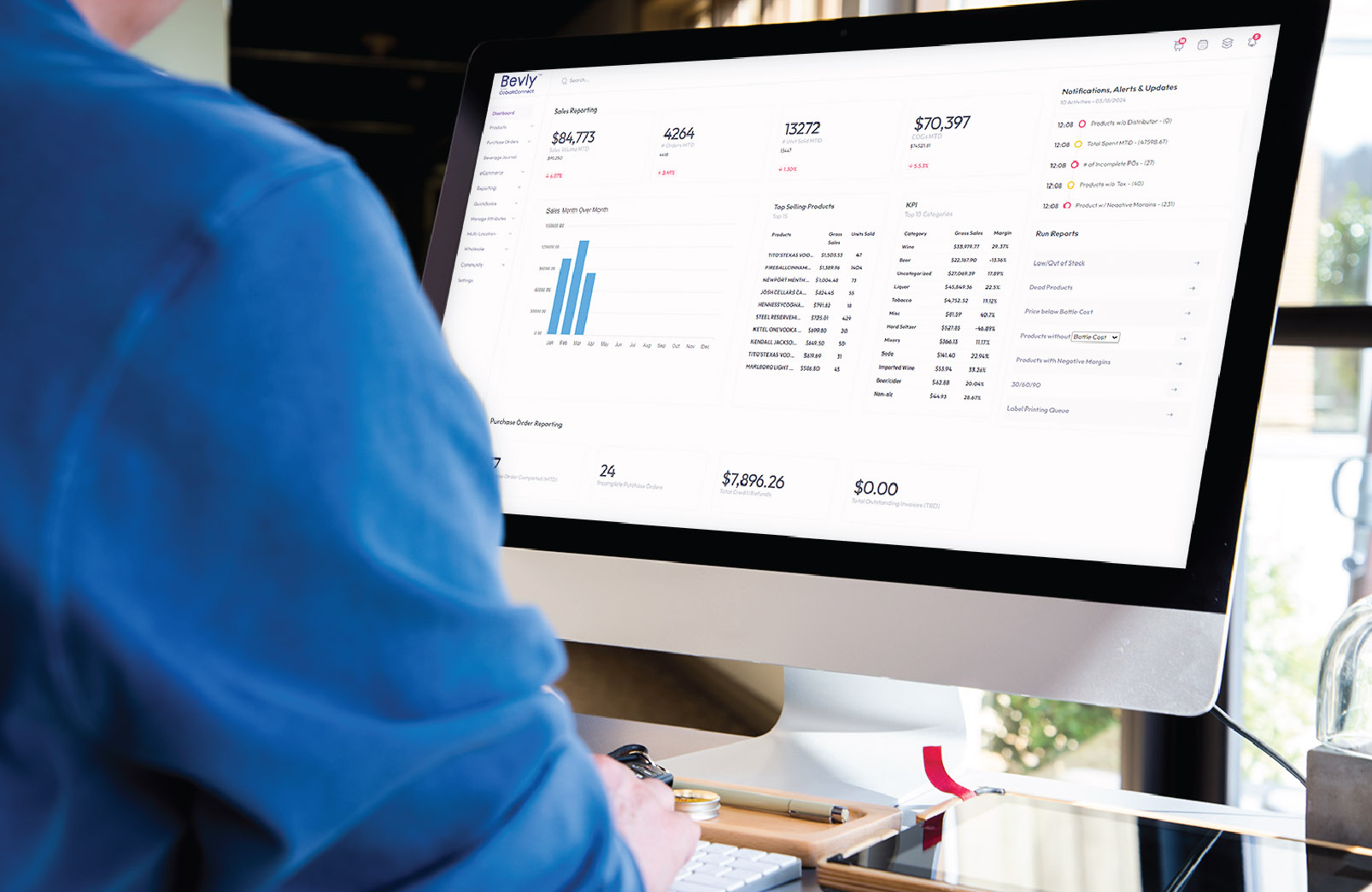
4. Sales Reporting & Performance Analysis
What it involves
- Pulling weekly or monthly sales reports
- Reviewing category performance
- Identifying top sellers and underperformers
- Preparing data for accountants or owners
Average time spent
- 2–4 hours per week
If automated, that time could be used to
- Act quickly on real-time sales insights
- Adjust pricing or placement before trends fade
- Focus on customer retention strategies
- Plan seasonal assortments more effectively
Revenue impact
Faster insights mean faster decisions—critical in categories where trends shift quickly.
5. Compliance, Paperwork & Administrative Tasks
What it involves
- License renewals
- Tax documentation
- Distributor compliance paperwork
- Record-keeping for audits
Average time spent
- 2–3 hours per week (more during renewal periods)
If automated, that time could be used to
- Focus on growth initiatives instead of reactive admin work
- Explore expansion opportunities or additional locations
- Build stronger relationships with suppliers and reps
Revenue impact
While compliance doesn’t generate revenue, automation reduces risk and frees owners to focus on growth.
The Big Picture: Time Is the Hidden Cost
Total weekly time spent on manual operational tasks:
➡️ 17–28 hours per week
That’s nearly a part-time job spent on work that doesn’t directly increase sales.
What Store Owners Could Do With 20+ Hours Back Each Week
If these tasks were automated or streamlined, liquor store owners and managers could reinvest that time into:
- Improving customer experience and staff engagement
- Expanding product mix with data-backed confidence
- Running smarter promotions and loyalty initiatives
- Strengthening margins through better pricing and purchasing
- Simply being on the sales floor—where revenue is actually created
Final Thought
Successful liquor stores aren’t run by owners who work the hardest—they’re run by owners who spend their time on the right work. Automation doesn’t replace good retail instincts; it frees them.
In a market where margins are tightening and competition is increasing, the ability to reclaim time and redirect it toward revenue-generating activities may be one of the most valuable advantages a liquor retailer can have.