How Liquor Stores Can Increase Profits Without Relying on More Foot Traffic
Running a profitable liquor store in today’s market isn’t about selling more bottles — it’s about selling the right bottles, at the right margins, with tighter operational control.
Across the U.S., independent liquor stores continue to face pressure from big-box chains, rising operating costs, and increasingly price-aware consumers. Yet data consistently shows that well-run stores can generate healthy profits even in flat or declining traffic environments.
This guide breaks down what actually drives liquor store profitability, where most operators leave money on the table, and how to improve margins using proven retail strategies — not guesswork.
What Does a “Healthy” Liquor Store Look Like Financially?
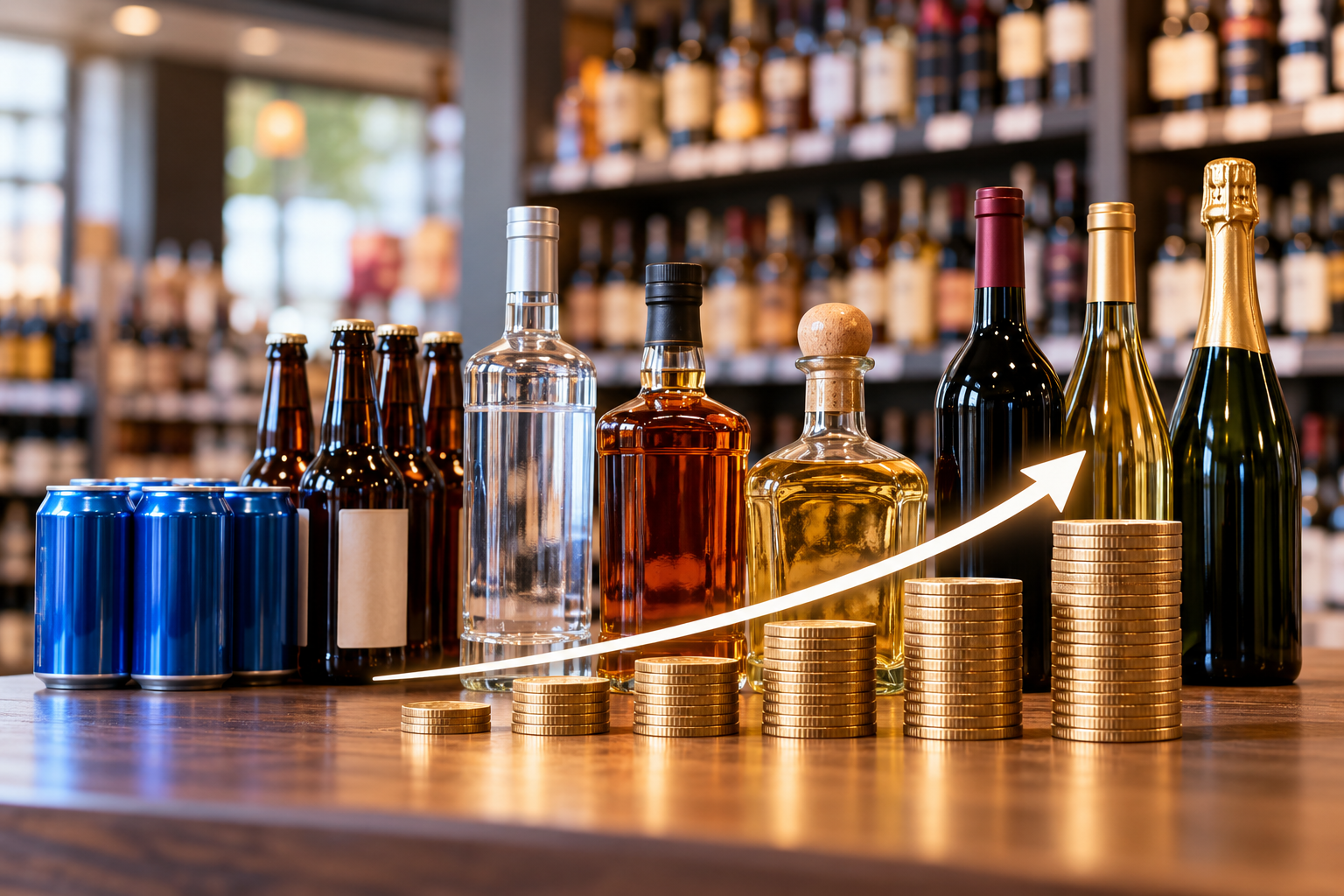
According to industry benchmarks, the average independent liquor store generates anywhere from $300,000 to over $1.2 million in annual revenue, depending on location, footprint, and execution. Gross profit margins typically land between 20% and 30%, though the spread between top- and bottom-performing stores is significant.
What separates the winners from the rest isn’t size — it’s discipline. Stores that actively manage pricing, inventory velocity, and customer behavior consistently outperform those that rely on walk-in demand alone.
Source: Paytronix, Bottle POS
Inventory Is the Single Biggest Profit Lever
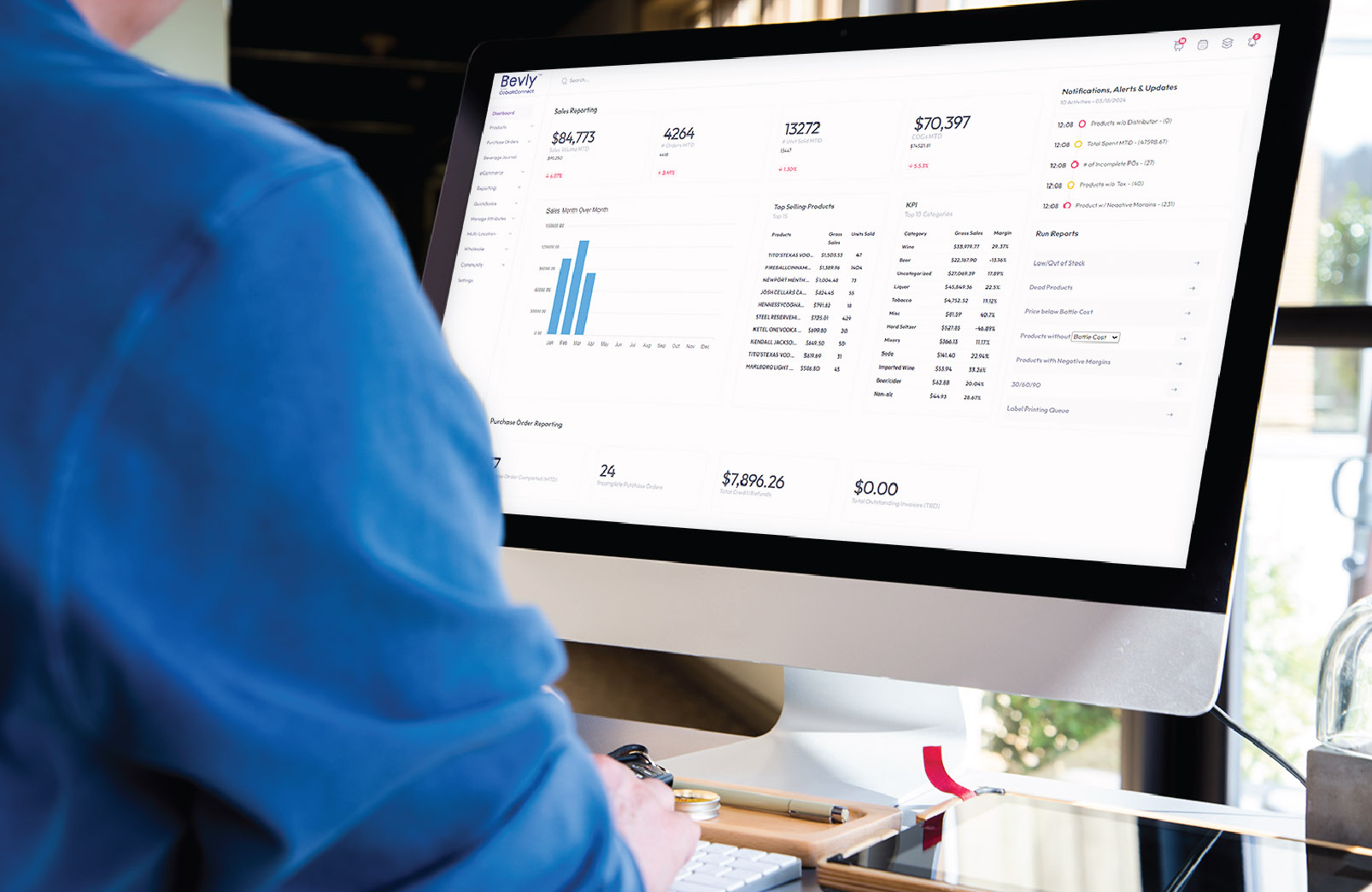
Most liquor store owners already know their top sellers. Fewer know which products actually generate the most profit dollars.
High-volume SKUs are not always high-margin SKUs. Beer often drives traffic but contributes less margin per unit. Premium spirits, craft offerings, and curated wine selections tend to deliver higher profit per sale — if they’re merchandised and priced correctly.
Stores that regularly analyze POS data to identify:
- fast-moving SKUs
- slow or dead inventory
- margin by category (beer, wine, spirits, RTDs)
are able to reallocate shelf space toward products that do more financial work.
Reducing even a small amount of dead stock can immediately improve cash flow and profitability.
Source: Bottle POS
Profit Growth Comes From Mix, Not Just Volume
Many stores chase revenue growth without realizing their product mix is quietly holding margins down.
Beer typically delivers the lowest margins but highest velocity. Wine sits in the middle, with opportunities for upsell and private-label margin expansion. Spirits — especially premium and allocated items — often provide the strongest margin contribution when positioned properly.
Successful operators focus less on total sales and more on margin-weighted sales, ensuring that growth doesn’t come at the expense of profitability.
Source: Bottle POS
Merchandising and Experience Still Matter — A Lot
In an era of price transparency, the in-store experience is one of the last true differentiators independent stores control.
Clean aisles, logical category flow, and intentional displays make it easier for customers to trade up. Strategic signage, staff recommendations, and curated sections (staff picks, seasonal features, local brands) increase average order value without discounting.
Stores that feel overwhelming or disorganized push customers toward default, lower-margin purchases — or worse, toward competitors.
Promotions Should Increase Basket Size, Not Just Discount Bottles
Discounting alone is rarely a sustainable profit strategy. Smart promotions are designed to increase basket size and attachment rate.
Bundles that pair spirits with mixers, wine with glassware, or seasonal party packs can lift transaction value while protecting margin. Timing promotions around holidays, sports seasons, or local events further amplifies results.
The key is using sales data to identify what customers already buy together — and making that decision easier for them.
Source: GOFtx
Loyalty Programs Drive Repeat Profit, Not Just Repeat Visits
Loyal customers are more valuable than frequent discount shoppers.
A well-executed loyalty program allows stores to reward repeat behavior, gather customer insights, and personalize promotions. Over time, this leads to higher lifetime value per customer and more predictable revenue.
When loyalty data is connected to POS reporting, owners gain visibility into:
- visit frequency
- average spend per customer
- category preferences
This turns marketing from guesswork into a measurable profit engine.
Source: GOFtx
Digital Ordering Is Now a Profit Defense Tool
Online ordering, pickup, and delivery are no longer “nice to have.” They are increasingly table stakes.
Even when customers ultimately shop in-store, many begin their purchase journey online. Stores without a digital presence risk losing high-intent customers before they ever walk through the door.
Digital channels also open the door to higher-ticket preorders, planned purchases, and incremental add-ons that don’t rely on foot traffic alone.
Source: Bottle POS
Community Engagement Still Converts
Local tastings, brand partnerships, and event-driven promotions remain powerful — especially for independents.
These efforts build emotional connection, generate word-of-mouth marketing, and attract new customers who may not otherwise visit your store. Over time, community engagement becomes a moat big-box retailers struggle to replicate.
The Bottom Line
Increasing liquor store profits doesn’t require more hours, more shelves, or more discounting. It requires better decisions — guided by data, executed consistently.
Stores that win focus on:
- inventory discipline
- margin-aware product mix
- intentional merchandising
- smarter promotions
- customer retention through loyalty and digital access
Those that don’t often mistake revenue growth for profit growth — and pay for it later.
Sources & Further Reading
- Bottle POS – Liquor Store Profit Margins & Operations
https://bottlepos.com/blog/liquor-store-profit - GOFtx – Strategies to Boost Liquor Store Sales
https://goftx.com/blog/strategies-to-boost-sales-at-your-liquor-store/ - Paytronix – Average Liquor Store Revenue Benchmarks
https://www.paytronix.com/blog/average-liquor-store-revenue