Why Automating Invoice Receiving Is One of the Highest-ROI Moves a Liquor Store Can Make
For most liquor store owners, invoice receiving is one of those necessary evils: time-consuming, error-prone, and rarely done the same way twice. Between paper invoices, emailed PDFs, EDI files, and last-minute delivery changes, the process quietly eats hours every week—and costs far more in lost margin than most operators realize. Automating invoice receiving doesn’t just save time. It directly improves profitability, inventory accuracy, and decision-making across the entire store. What follows is a breakdown of why invoice automation has become a competitive advantage for modern liquor retailers.
The Reality of Manual Invoice Receiving
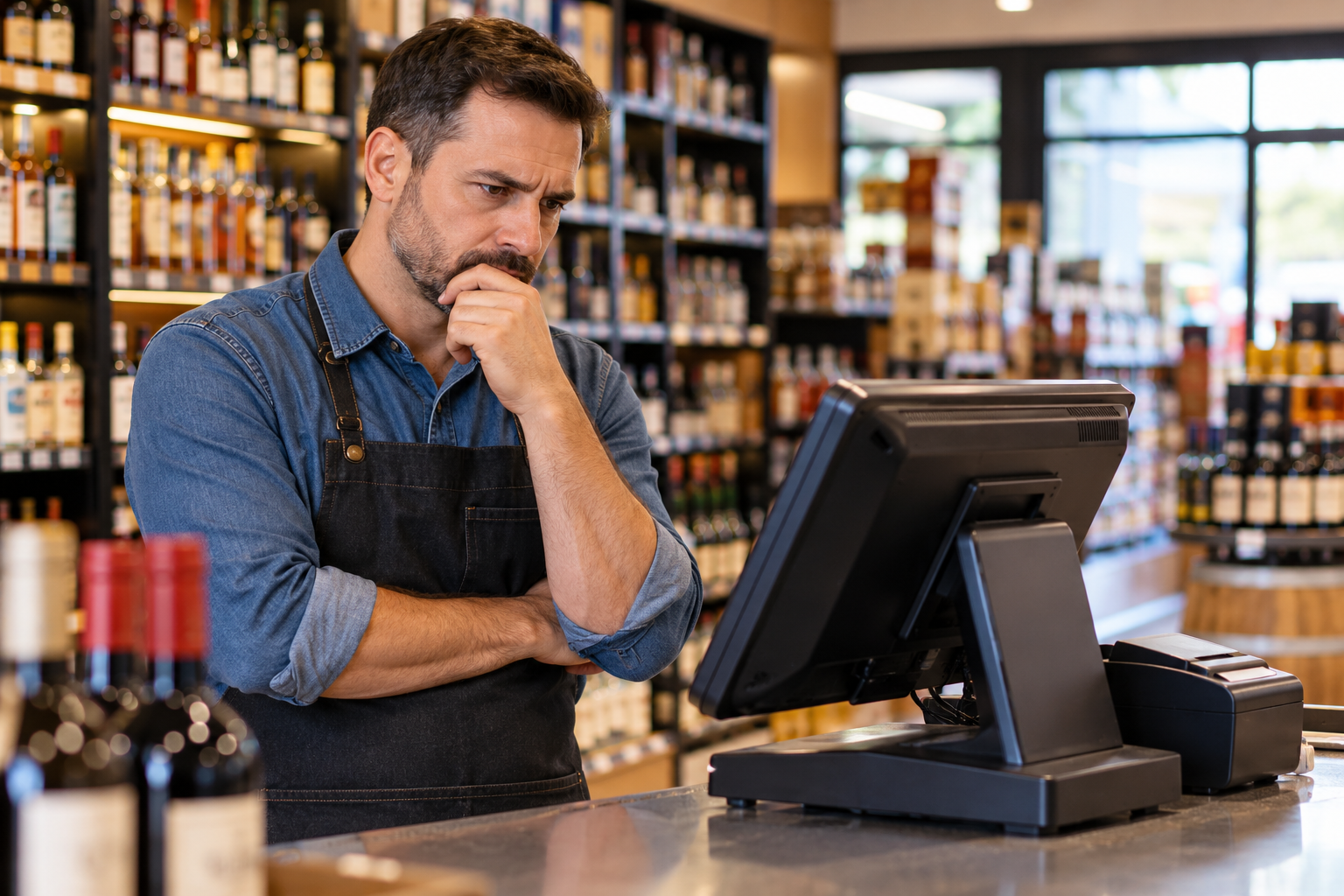
In a typical store, invoice receiving unfolds as a multi-step, highly manual process. A delivery arrives with either a paper invoice or an emailed PDF. Staff members then manually check in cases and bottles, key prices into the POS or inventory software, and note discrepancies if they are caught at all. Any errors or shortages often lead to credits being chased days or even weeks later. On average, liquor stores spend between two and five hours per week per location just receiving and entering invoices. For multi-location operators, that number climbs significantly. This is time taken away from higher-value activities such as floor sales, merchandising, staff training, and vendor negotiations. And time is only part of the cost.
Benefit #1: Immediate Labor Savings
Automated invoice receiving eliminates manual data entry by digitally ingesting invoices from distributors, matching SKUs directly to the POS, and posting costs and quantities without re-keying information. What once took twenty to thirty minutes per invoice can be reduced to just a few minutes of review. Instead of spending hours entering data, owners and managers can redirect their time toward expanding high-margin categories, improving in-store execution and displays, and analyzing sales performance rather than inputting numbers. For many stores, labor savings alone justify invoice automation within just a few months.
Benefit #2: Fewer Costing Errors and Better Margins
Manual entry introduces mistakes that quietly erode profitability. Common errors include incorrect bottle costs, missed price increases, mismatches between cases and bottles, and taxes or deposits entered incorrectly. Automated invoice receiving ensures accurate landed cost at the SKU level, provides immediate visibility into price changes, and maintains consistent costing across locations. When costs are correct, pricing decisions become more reliable—and margin leakage stops before it compounds.
Benefit #3: Faster, More Accurate Inventory Updates
Delayed or inaccurate receiving leads to phantom inventory, unexpected out-of-stocks, and over-ordering of slow-moving products. These issues often stem from inventory updates lagging behind actual deliveries. Automation updates inventory the moment invoices are received instead of days later. This creates real-time on-hand accuracy, enables better reordering decisions, and reduces dead stock sitting on shelves. Accurate inventory is the foundation of every profitable liquor store, and automated receiving strengthens that foundation immediately.
Benefit #4: Discrepancy Detection and Easier Credits
One of the biggest hidden costs in liquor retail is missed credits. Manual processes make it easy to overlook shorted cases, incorrect SKUs, wrong pricing, or missing promotional allowances. Automated systems flag discrepancies immediately, while the delivery is still fresh. This leads to faster credit requests, higher recovery rates, and less money left on the table. Many stores recover thousands of dollars annually simply by catching issues that previously went unnoticed.
Benefit #5: Cleaner Data for Smarter Decisions
Invoice data feeds every critical report in the business, including margin analysis, category performance, vendor comparisons, and promotional ROI. When invoice data is inconsistent or delayed, reporting becomes unreliable and decision-making suffers. Automation standardizes invoice data across distributors, maintains a clean cost history at the SKU level, and provides clearer visibility into vendor behavior. With reliable data, owners can identify margin erosion early, negotiate more effectively with distributors, and rationalize SKUs based on true profitability. Clean data leads to confident decisions.
Benefit #6: Scalability Without Administrative Bloat
Manual receiving does not scale well. As stores add more distributors, expand SKU counts, or open additional locations, back-office workload grows exponentially. Automated invoice receiving scales effortlessly. It allows operators to add locations without increasing administrative staff, centralize accounting and inventory control, and maintain consistency across the business. For growing operators, automation is often the difference between controlled growth and operational chaos.
Where Platforms Like Bevly Fit In
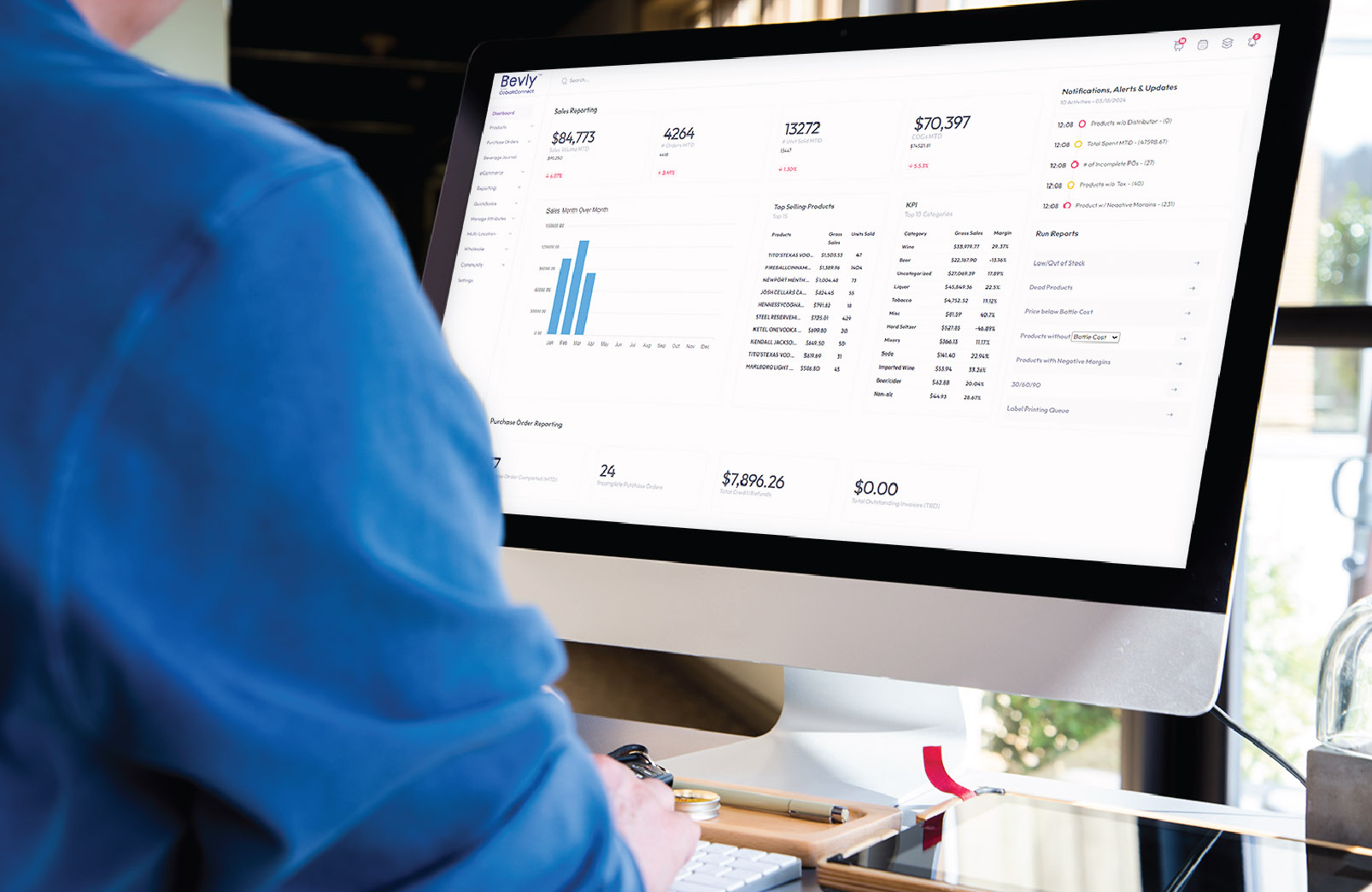
Modern beverage retail platforms like Bevly are built specifically to solve invoice receiving challenges for liquor stores. By automating invoice intake from all major distributors, Bevly enables retailers to receive invoices digitally regardless of format, match invoice data directly to POS SKUs, update inventory and costs automatically, and flag discrepancies before they impact margins. Rather than treating invoice receiving as clerical work, Bevly transforms it into a strategic data advantage.
The Bottom Line
Invoice receiving may not feel like a growth lever, but it is. Automating the process saves labor every week, protects margins from silent erosion, improves inventory accuracy, strengthens vendor accountability, and frees owners to focus on revenue-generating work. In an industry with tight margins and increasing competition, the stores that automate foundational processes like invoice receiving are the ones positioned to win. If you want your data to work as hard as your staff does, invoice automation is no longer optional—it’s essential. If you want your data to work as hard as your staff does, invoice automation is no longer optional—it’s essential.