The Most Profitable Products for Liquor Stores
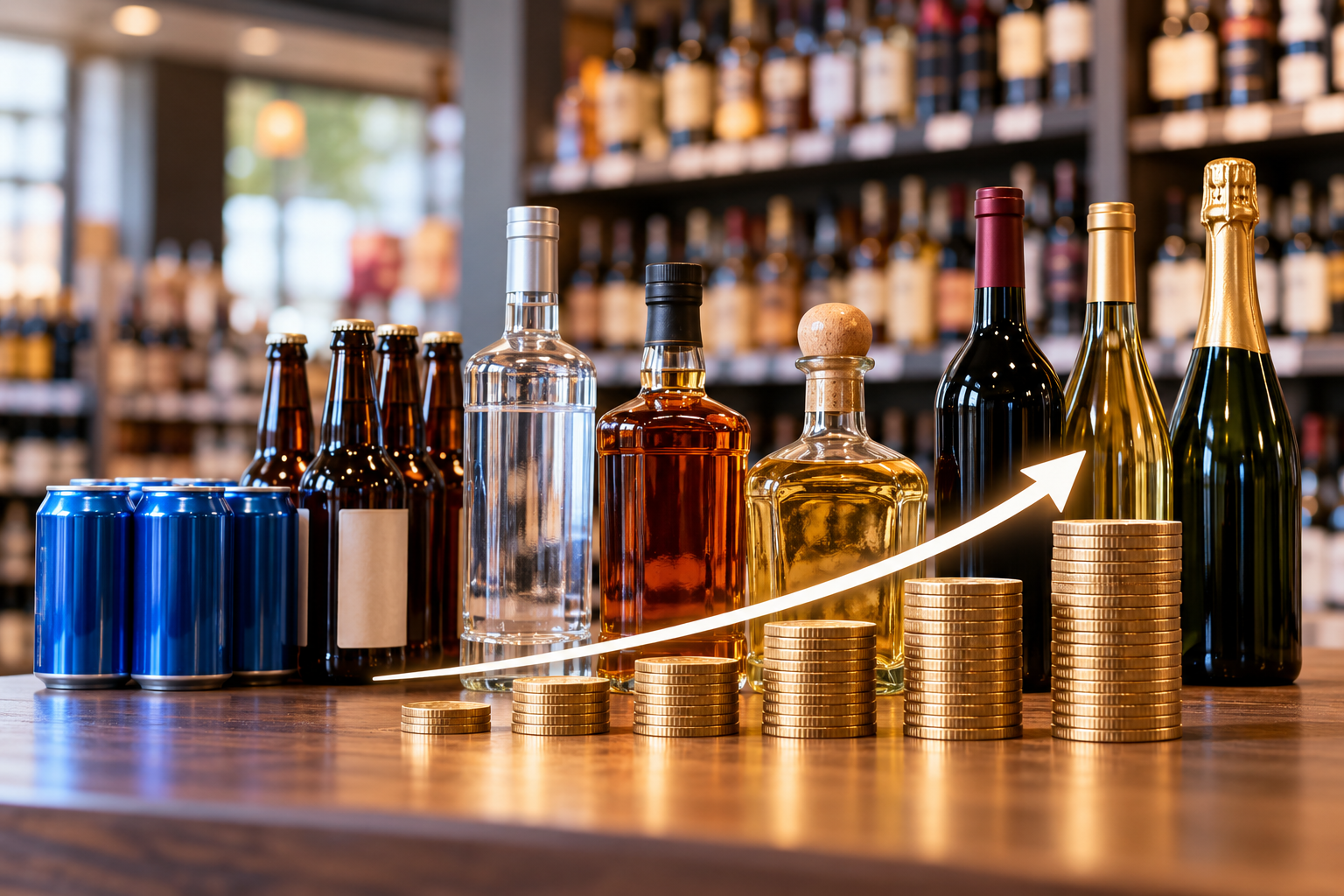
When most liquor store owners think about profitability, they focus on sales volume. But the products that sell the most are not always the products that generate the most profit.
Understanding which categories, brands, and product types deliver the strongest margins can help retailers make smarter purchasing decisions, optimize shelf space, and improve overall store profitability.
The key is balancing high-margin products with high-volume products. The most profitable liquor stores are not necessarily selling more inventory. They are selling a better mix of inventory.
Understanding Profitability: Margin vs. Volume
Before discussing categories, it is important to distinguish between two concepts:
High-Margin Products
Products that generate a large profit per unit sold.
High-Volume Products
Products that sell frequently but may generate lower margins.
For example, a bottle of allocated bourbon may generate a $40 profit, while a bottle of Tito’s Vodka may generate only a $5 profit.
The bourbon has the higher margin, but Tito’s may sell hundreds of bottles each month.
The most profitable stores successfully combine both strategies.
1. Private Label Spirits
If available in your market, private label spirits are often among the highest-margin products in the industry.
Retailers can frequently earn margins of 40% to 60% or more compared to national brands that may generate margins closer to 20% to 30%.
- Higher gross profit per bottle
- Less direct price competition
- Greater customer loyalty
- Improved differentiation from competitors
For stores with sufficient volume, private labels can become a significant profit driver.
2. Premium and Super-Premium Tequila
Few categories have experienced the growth that tequila has seen over the past decade.
Premium tequila brands often deliver strong margins, high consumer demand, repeat purchases, and trading-up opportunities.
Customers are increasingly willing to spend $50, $75, or even $100+ per bottle.
- Añejo Tequila
- Extra Añejo Tequila
- Single Estate Tequila
- Additive-Free Tequila
The combination of high retail prices and growing demand makes premium tequila one of the industry’s most profitable categories.
3. Ready-to-Drink Cocktails
Ready-to-drink cocktails have become one of the fastest-growing segments in beverage alcohol.
- High Noon
- Cutwater
- On The Rocks
- Tip Top Cocktails
- Local craft canned cocktails
They are profitable because they offer high consumer demand, frequent repeat purchases, attractive margins, and strong impulse-buy potential.
RTDs often occupy valuable cooler space because they can generate significant revenue per square foot.
4. Premium Bourbon and Whiskey
American whiskey continues to be a major profit center.
- Small-batch bourbon
- Single barrel selections
- Limited releases
- Barrel picks
- Allocated products
Many whiskey enthusiasts actively seek unique bottles and are willing to pay premium prices.
Store-selected barrel picks can be particularly lucrative because they provide exclusivity and often command higher margins than standard shelf products.
5. Craft Spirits
Craft distilleries continue to attract consumers looking for unique products and local brands.
- Higher margins than national brands
- Less price competition
- Strong local support
Popular craft categories include bourbon, gin, vodka, rum, and specialty liqueurs.
While sales volume may be lower than national brands, the profit per bottle is frequently higher.
6. Fine Wine and Premium Wine
Wine margins vary widely, but premium wine can be extremely profitable.
- Napa Cabernet Sauvignon
- Imported Italian wines
- Boutique wineries
- Champagne
- Premium Pinot Noir
Many consumers rely on retailer recommendations, reducing direct price comparisons and creating opportunities for higher margins.
Wine also benefits from upselling opportunities through food pairings, events, and customer education.
7. Specialty Liqueurs and Cordials
Liqueurs often fly under the radar, but they can be highly profitable.
- Amaro
- Aperitifs
- Coffee liqueurs
- Cream liqueurs
- Herbal liqueurs
Customers typically purchase these products for specific recipes or occasions and tend to be less price-sensitive than shoppers buying commodity spirits.
8. Mixers and Non-Alcoholic Add-Ons
One of the biggest missed opportunities in retail liquor is attachment sales.
- Premium tonic water
- Cocktail syrups
- Bitters
- Garnishes
- Bloody Mary mixes
- Non-alcoholic mixers
When paired effectively with spirit purchases, these products can significantly increase basket size and profitability.
9. Single Bottles and Build-Your-Own Packs
Many stores focus on selling full cases or standard packs, but single-unit beer and RTD sales can be surprisingly profitable.
- Higher margins per unit
- Increased trial purchases
- Greater flexibility for consumers
Build-your-own six-pack programs often generate higher gross margins than traditional packaged products.
10. Exclusive and Allocated Products
Nothing drives profitability quite like exclusivity.
- Limited-release bourbons
- Special barrel selections
- Rare Scotch
- Allocated tequila
- Highly sought-after wine allocations
These products can generate exceptional margins, increased store traffic, customer loyalty, and cross-selling opportunities.
While allocations may represent a small percentage of total sales, they often contribute disproportionately to profits.
Products That Sell Well But Are Not Always the Most Profitable
Many retailers are surprised to learn that some of their highest-volume products generate relatively modest margins.
- Domestic beer
- National vodka brands
- Economy spirits
- Commodity wine brands
These products remain essential because they drive customer traffic, but relying too heavily on them can limit profitability.
Think of them as traffic generators rather than profit generators.
The Real Secret: Shelf Space Productivity
The most profitable product is not always the one with the highest margin.
The most profitable products for liquor stores are often the ones that generate the highest profit per square foot of shelf space.
- How fast does it sell?
- How much profit does it generate?
- How much shelf space does it consume?
- How often must it be reordered?
The best-performing stores constantly evaluate these metrics and adjust their inventory mix accordingly.
The Bottom Line
The most profitable liquor stores focus on more than just sales volume. They build a strategic product mix that combines high-demand brands with high-margin categories.
Premium tequila, allocated whiskey, RTDs, craft spirits, fine wine, mixers, and exclusive products all offer opportunities to increase profits without increasing store traffic.
Understanding which products generate the greatest return on shelf space, inventory investment, and labor allows retailers to make smarter decisions and create a more profitable business.
Because in today’s competitive market, success is not just about selling more bottles. It is about selling the right bottles.
“`