Why Liquor Store Margins Are Shrinking — And What Retailers Can Do About It
Your sales are up, but your profits aren’t keeping pace. If that sentence hits close to home, you’re not alone.
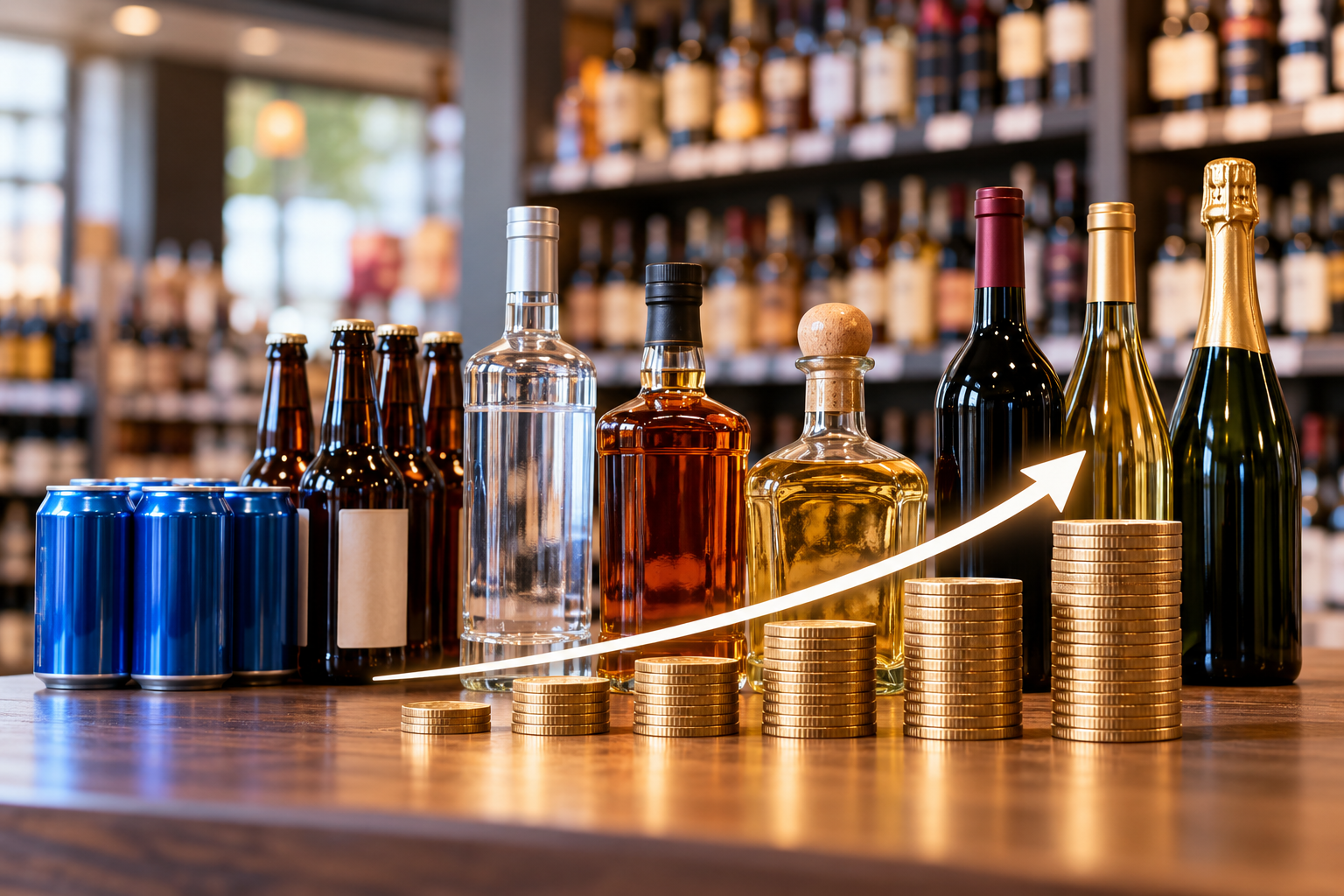
Across the country, liquor store owners are watching an uncomfortable gap widen between revenue and profitability. The top line looks respectable — sometimes even strong — but the money that actually lands in the bank tells a different story. The causes are layered, but the trend is unmistakable: selling alcohol is becoming a lower-margin business.
The stores that thrive over the next decade will be those that manage profitability with the same discipline they manage sales. Here’s what’s driving the squeeze — and what the smartest operators are doing about it.
When Your Distributor’s Costs Become Your Problem
One of the biggest factors compressing margins is the steady climb in wholesale prices.
Suppliers and distributors are dealing with their own cost pressures — higher transportation expenses, rising labor costs, packaging inflation, and lingering supply chain disruptions. Those increases don’t stay upstream for long. They flow directly to retailers.
The problem is that you can’t always pass them along to customers. In competitive markets, pushing prices too aggressively sends shoppers to the store down the road, which means absorbing part of the increase yourself. The wholesale cost goes up; your margin comes down.
The Price-Comparison Problem
Consumers have never had more pricing information at their fingertips. Having this knowledge and being able to compare prices forces competition which drives down liquor store margins
Mobile apps, online marketplaces, and delivery platforms let shoppers compare prices across multiple stores in seconds. A customer standing in your aisle can check whether a bottle is cheaper somewhere else before they reach the register.
This transparency creates constant downward pressure on pricing. Retailers feel compelled to match competitors to avoid losing the sale, even when matching means giving up margin.
Big-Box Retailers Keep Expanding
Large national chains continue to grow their footprint in beverage alcohol — and they play by different rules.
Their purchasing power lets them negotiate better pricing and promotional support from suppliers. They can afford to operate on razor-thin alcohol margins because spirits and wine are just one piece of a much larger business. For an independent liquor store, alcohol is the business.
Competing purely on price against a retailer that treats your core category as a traffic driver is a losing game.
E-Commerce and Delivery: Revenue Up, Margins Down
Alcohol delivery services have reshaped consumer expectations, and many retailers have jumped in. The revenue is real — but so are the costs.
Platform fees, delivery commissions, marketing spend, and promotional discounts stack up quickly. Many store owners find that delivery orders generate more top-line revenue but noticeably less profit per transaction than a customer walking in the door.
Delivery is worth doing, but it needs to be managed as its own P&L — not treated as a simple extension of in-store sales.
The Premiumization Myth
For years, the industry rode a favorable wave: consumers were trading up. More expensive wines, allocated bourbons, craft spirits — premium products meant higher dollar profits per bottle, liquor store margins increased.
But higher-priced bottles don’t always deliver meaningfully higher margin percentages. A $60 bottle with a 25% margin earns you $15. A $30 bottle at 35% earns you $10.50. The dollar difference is real, but it’s not the windfall it appears to be when you factor in the capital tied up in slower-turning premium inventory.
Meanwhile, supplier-controlled pricing in premium categories often leaves retailers with less room to negotiate. And the premiumization tailwind itself is slowing as consumers facing economic uncertainty reach for value-oriented alternatives more often.
The Staffing Squeeze Behind the Counter
Labor is one of the largest operating expenses in any liquor store, and it’s moving in one direction.
Wages have increased across most markets. Stores are competing for employees in a tight labor environment — not just against other retailers, but against warehouses, gig platforms, and remote-friendly industries. Beyond hourly pay, the costs of training, scheduling, benefits, and turnover add up fast.
Supplier and Distributor Consolidation Is Tilting the Table
The beverage alcohol industry has consolidated significantly among suppliers and distributors — and the leverage has shifted away from independent retailers.
As larger organizations capture more market share, smaller stores find themselves with less negotiating power. Product allocations, promotional funding, and pricing programs increasingly favor high-volume chains.
Your Customers Are Less Predictable Than Ever
Today’s consumers don’t stay loyal to a single category the way previous generations did.
One month a customer buys bourbon. The next month it’s ready-to-drink cocktails, then a case of craft beer, then a bottle of non-alcoholic spirits. This fragmentation makes inventory planning significantly harder.
The Hidden Cost of Inventory
Inventory is the silent margin killer in most liquor stores.
Every bottle on the shelf represents cash that isn’t available for anything else — not for payroll, not for marketing, not for investing in the business. When a store carries too many SKUs, or fails to cut products that aren’t moving, capital gets trapped.
A bottle that sits for six months didn’t just fail to sell — it blocked you from buying something that would have.
How the Smartest Liquor Stores Are Responding
Margin pressure is real, but it’s not a death sentence. The retailers adapting most successfully aren’t doing one big thing — they’re doing several small things with consistency and discipline.
- Cut dead stock ruthlessly. Review inventory velocity regularly and remove products that don’t earn their shelf space.
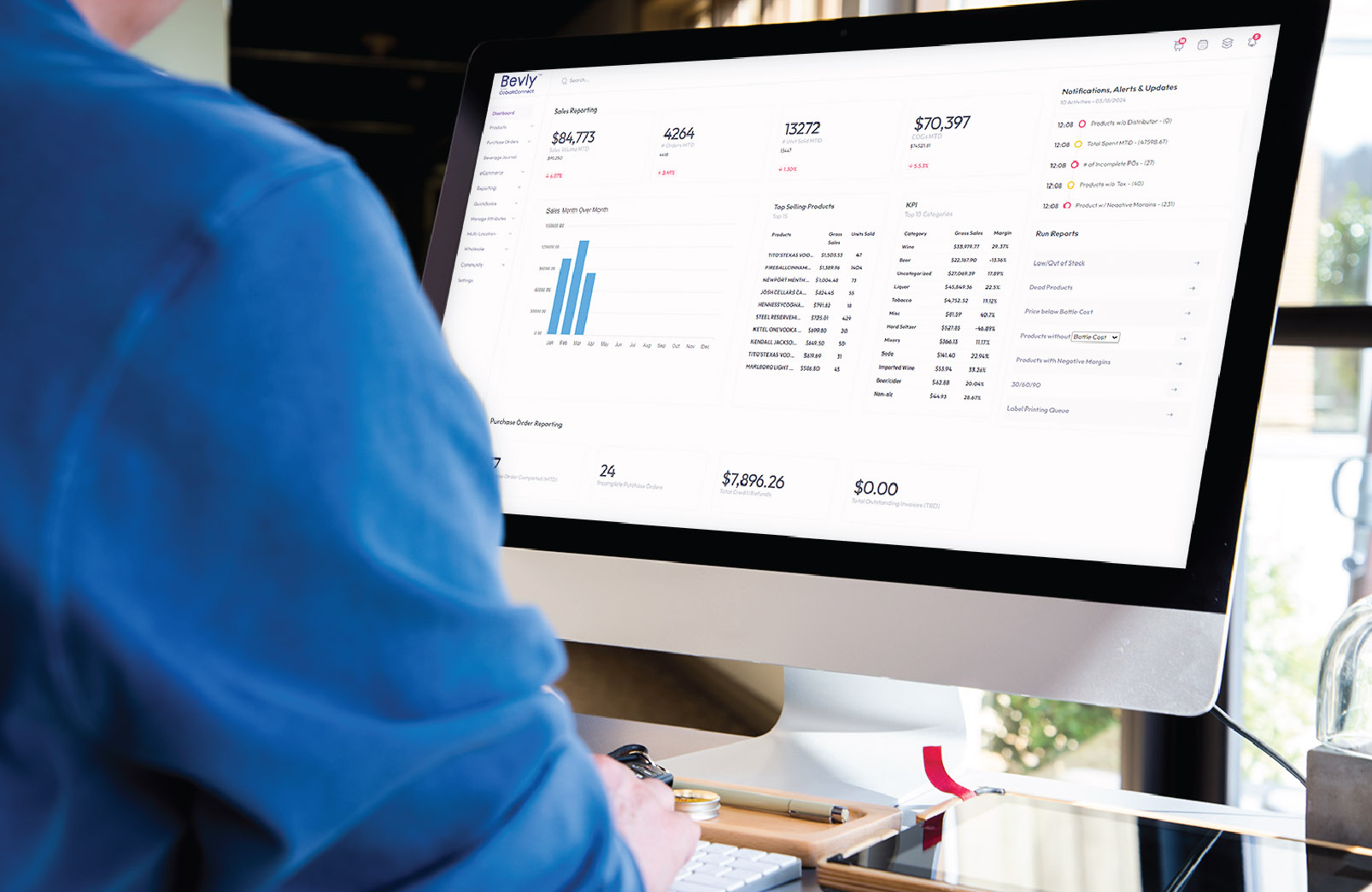
- Use data to make pricing decisions. Adjust margins product by product based on local competition, demand, and price sensitivity.
- Build loyalty competitors can’t poach. Use email, rewards, and personalized recommendations to bring customers back.
- Grow healthier-margin categories. Lean into segments such as local craft spirits, private-label selections, and emerging categories.
- Invest in the in-store experience. Tastings, knowledgeable staff, curated displays, and education justify stronger pricing.
- Automate where it makes sense. Better ordering, inventory tracking, and reporting reduce manual work and protect profitability.
The Bottom Line
Liquor store margins are shrinking, but retailers still have control over how they respond. The stores that win will be the ones that understand their numbers, manage inventory tightly, price strategically, and make every shelf, product, and customer interaction work harder.