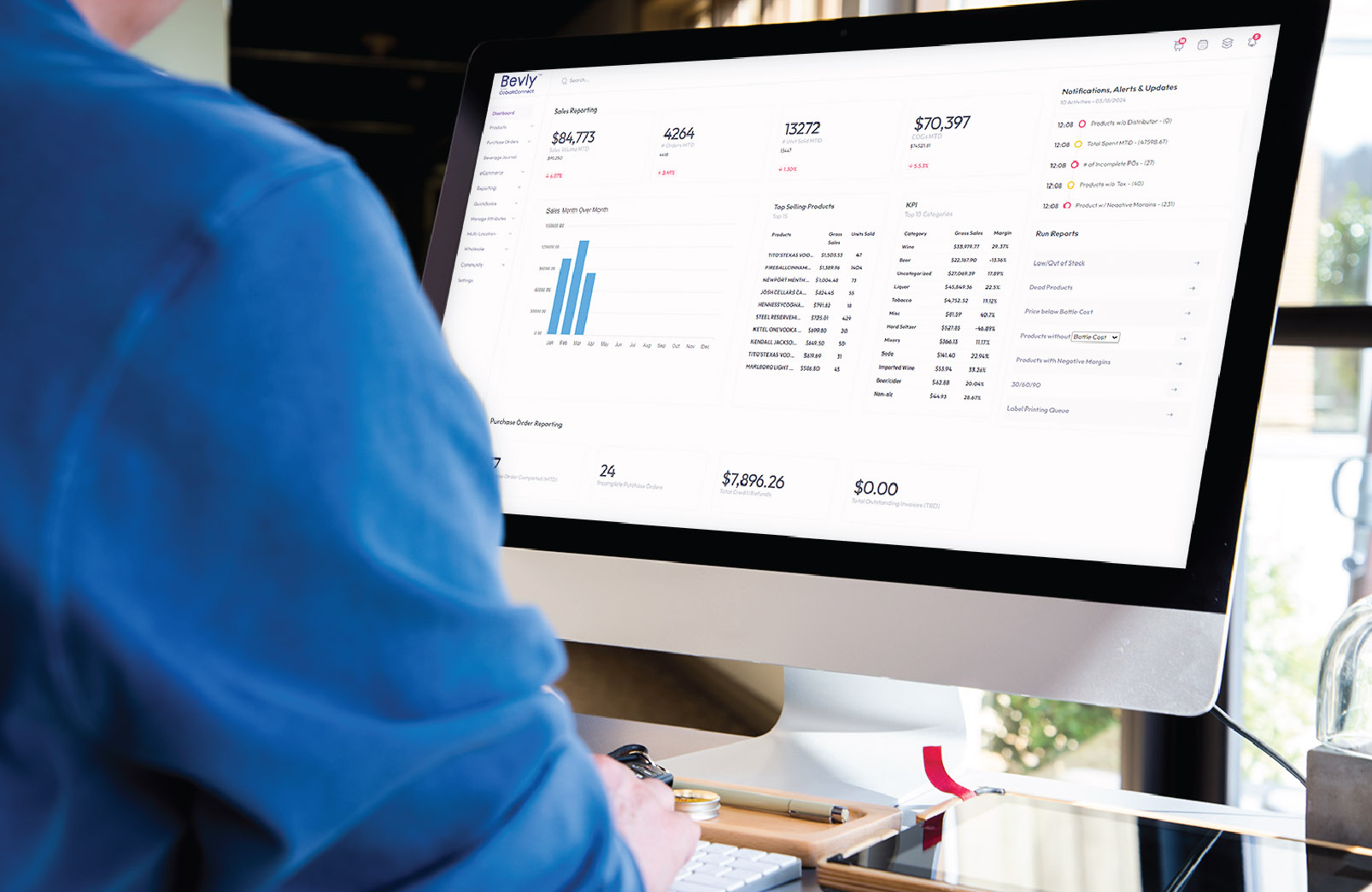
The 7 Most Time-Consuming Tasks for Liquor Store Owners and Managers
Running a liquor store involves far more than selling beer, wine, and spirits.
Behind every transaction is a long list of operational responsibilities that
consume valuable time each week.
Liquor store owners wear many hats. From managing inventory and employee
schedules to ensuring compliance and reconciling payments, the daily demands
of operating a successful store can quickly become overwhelming. Understanding
where time is spent is the first step toward improving efficiency, reducing
operational costs, and creating more opportunities for growth.
Managing Inventory
Inventory management is consistently one of the Liquor Store Tasks you must do, but also takes up the most time..
Stores often carry hundreds or thousands of SKUs across beer, wine, spirits,
mixers, and accessories.
- Counting shelves and backroom stock
- Tracking shrinkage and breakage
- Managing seasonal products
- Identifying slow-moving inventory
- Preventing out-of-stock situations
Receiving and Reconciling Deliveries
Every delivery must be verified, entered into inventory systems,
and stocked accurately. Discrepancies can quickly create additional work.
- Invoice verification
- Product counts
- Price updates
- Shelf restocking
- Vendor communication
Employee Scheduling and Management
Staffing responsibilities require constant attention and often pull
managers away from customer-facing activities.
- Creating schedules
- Handling call-outs
- Approving time-off requests
- Onboarding employees
- Managing peak-hour coverage
Regulatory Compliance and Age Verification
Alcohol retailers operate in one of the most heavily regulated retail industries.
- Employee compliance training
- ID verification procedures
- License renewals
- Maintaining required records
- Preparing for inspections
Managing Vendor Relationships
Strong distributor relationships are essential for maintaining inventory
and securing allocated products.
- Reviewing promotions
- Discussing pricing
- Placing orders
- Negotiating allocations
- Maintaining supplier communication
Processing Payments and Reconciling Sales
Payment management extends well beyond the checkout counter.
- Register balancing
- Cash management
- Credit card reconciliation
- Chargeback reviews
- Transaction investigations
Marketing and Customer Retention
Marketing often takes a backseat to daily operations, despite its direct
impact on customer acquisition and retention.
- Managing social media
- Promoting special events
- Advertising allocated products
- Building loyalty programs
- Collecting reviews and sending promotions
The Hidden Cost of Manual Processes
The common thread among these responsibilities is that many are still handled
manually. Spreadsheets, paper records, physical inventory counts, and disconnected
systems consume hours that could be invested in growing revenue and improving the
customer experience.
Saving just one hour per day adds up to more than 350 hours each year—time that
can be redirected toward higher-value business activities.
Final Thoughts
Liquor store owners serve as inventory managers, compliance officers,
marketers, HR leaders, accountants, and customer service professionals—
often all in the same day.
While no retailer can completely eliminate these responsibilities,
identifying the most time-consuming tasks is the first step toward
improving operational efficiency.
The most successful liquor retailers continuously seek ways to automate
repetitive processes, streamline workflows, and free up time for
activities that directly impact growth and profitability.
Spend Less Time Managing Operations
Modern liquor store technology can help automate inventory,
simplify compliance, streamline reporting, and improve customer retention—
allowing owners to focus on growing their business.
“`